

Neighborhoods / Midtown
On a gridMidtown
A grid-planned district between Wynwood and the Design District. Mid-rise buildings with retail at ground level, a walkable street fabric and a daily rhythm calmer than the city center.
The character of the area
Midtown sits between Wynwood and the Design District: a comparatively small neighborhood laid out on a grid. Its street plan is unusually legible for Miami — short blocks, wide sidewalks, addresses that are easy to find.
The building type also departs from the rest of the city: not towers, but mid-rise buildings with retail at ground level. That scale keeps most daily needs within walking distance.
For anyone who does not want the density of Downtown or Brickell but has no intention of moving to a car-dependent suburb, the neighborhood offers a middle scale: urban, but with a calmer daily rhythm.
The boundary is not incidental: Midtown Miami is defined as a special infrastructure district (CDD) of roughly 57 acres, and its four sides are drawable as a rectangle — NE 29th Street on the south, NE 36th Street on the north, North Miami Avenue on the west and the Florida East Coast rail right-of-way on the east. The definition carries a practical consequence: the street fabric here reads tidier than the rest of the city because the road, water and sewer, drainage, streetscape, irrigation and garage investment is run by the district itself, so upkeep answers to a single counterparty.
Transport puts the neighborhood in a two-sided position. Walking is the strong side: short blocks, ground-floor retail and generous sidewalks put most daily needs within reach on foot. Rail is the weak side: the Metromover is a fare-free line, but its route passes below the district’s southern edge and does not enter Midtown, so reaching a station means a walk. Traffic leaving the city connects to I-95 through the I-195 / SR 112 interchange just north of the district.
There is a governance layer behind that upkeep: a CDD is a separate local government entity created under Florida law and run by a five-member Board of Supervisors, whose members’ appointment or election dates and terms are published. The district’s own stated rationale follows from that structure — meeting the infrastructure burden that growth generates without overburdening other local governments and their taxpayers. For a buyer the practical reading is simple: street and irrigation upkeep here answers to a recorded administration and a defined obligation rather than a discretionary budget.
Verifiable facts
Facts we have been able to verify one by one for Midtown; the source for each row is printed beside it.
The Midtown Miami CDD covers approximately 57 acres, all of it within the City of Miami; the area is bounded by the Florida East Coast railway corridor on the east, NE 29th Street on the south, North Miami Avenue on the west and NE 36th Street on the north. It was created by Dade County ordinance under Chapter 190 of the Florida Statutes and carries road, water and sewer, drainage, streetscape, irrigation and garage investment.
The Metromover is a fare-free service whose loop turns inside the Downtown–Omni–Brickell triangle; Midtown does not sit on that loop and the district has no station of its own.
Source: Miami-Dade County — Metromover
The I-95 exit list records the district’s freeway access through exits 4, 4A and 4B, all signed toward SR 112 West and I-195 East.
Source: Florida Department of Transportation (FDOT) — I-95 exit list
On the City of Miami’s own trolley stop list, Midtown appears on the Biscayne route — the list reads “Bayside Market, Design District, Midtown, and Downtown Shopping.” The route is published as running Monday to Saturday 6:30 AM to 11:00 PM and Sunday 8:00 AM to 8:00 PM.
Midtown Miami sits in its own zoning layer under Miami 21: the parcels fall within the SD-27.1 (Midtown Miami East) and SD-27.2 (Midtown Miami West) sub-districts, and new construction there requires a Class II Special Permit under Section 627.2.3.1 of Appendix C.
Source: City of Miami — Midtown Overlay planning file (PZ-21-11590)
The county publishes its elementary, middle and high school attendance areas as official spatial layers; because the attendance area for an address in Midtown can change from year to year, the answer is a lookup rather than an assumed school name.
Source: Miami-Dade County — official school attendance area layers
Sales market in Midtown
- Median sale price
- $1,200,000
- Median price per ft squared
- $903
- Recorded sales
- 938
- Currently listed for sale
- 947
- Median days on market
- 72 days
Active listing figures from the SEF MLS feed for postal codes 33127, 33137, as of October 17, 2026. The closed-sale figures above come from recorded deeds — the two measure different things. Listing data provided by the Southeast Florida MLS (MIAMI REALTORS®) IDX feed. Copyright Southeast Florida Multiple Listing Service © 2026. Accuracy of listing information is not guaranteed. Listing information is provided for personal consumer, non-commercial use, solely to identify potential properties for potential purchase. All other use is strictly prohibited.
Source: recorded sales from the Miami-Dade County Property Appraiser. Arm’s-length sales only; intra-family transfers, foreclosures and other non-market transactions are excluded. Scope: postal codes 33127, 33137 · sales recorded between July 1, 2025 and July 1, 2026.
Neighborhood boundaries are approximated by ZIP code; parts of adjacent neighborhoods may share the same code. These figures describe recorded deed transfers, not current asking prices.
Year-over-year change is deliberately not published: in this dataset it measures the composition of what sold rather than price. We do not fill a figure we cannot measure with an estimate.
For sale in Midtown
947 listings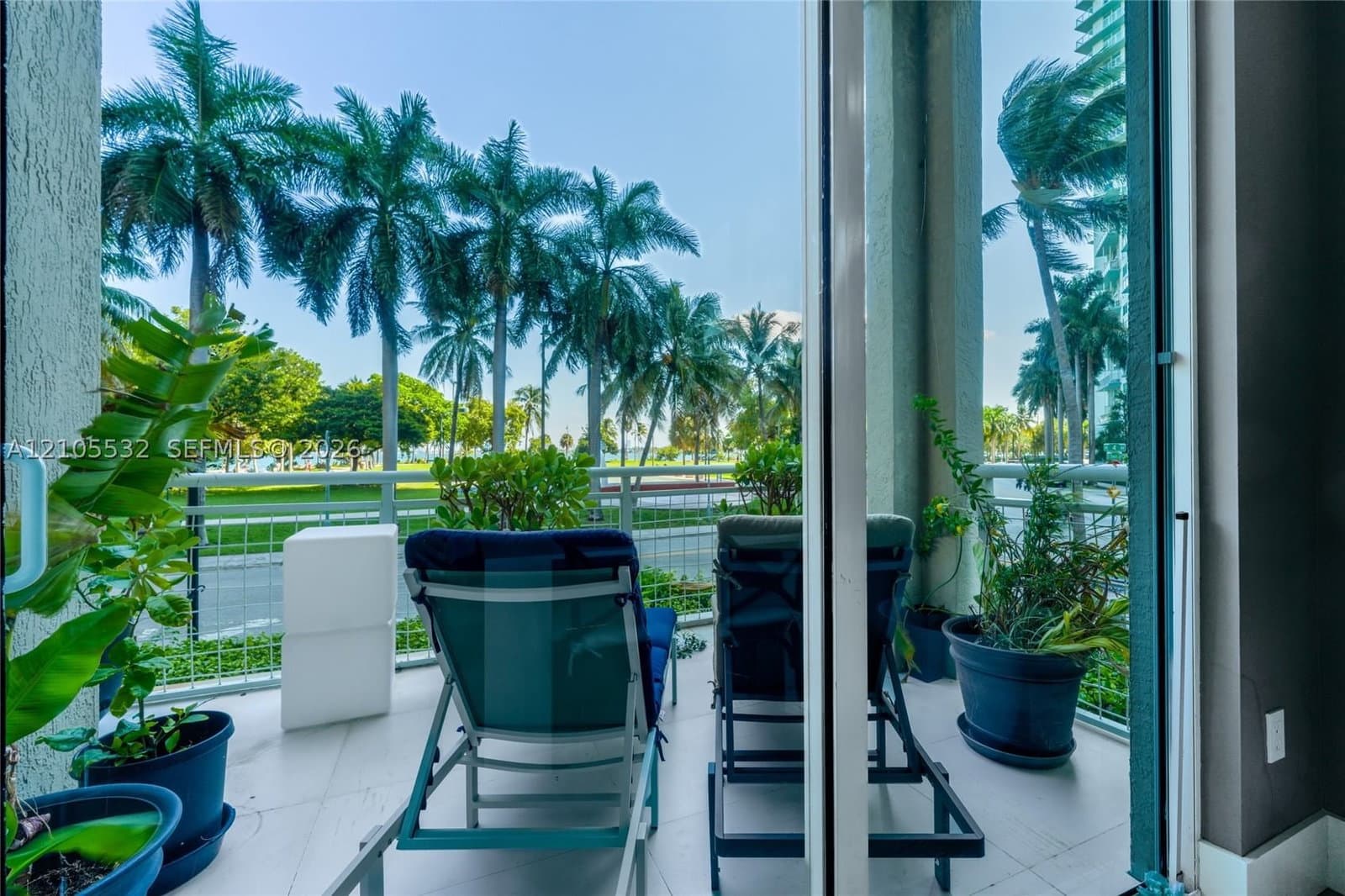 New
New$810,000 — 2000 Bayshore Dr #110, Miami, FL 33137 — listing details
3 bd · 2 ba · 1,475 ft²
2000 Bayshore Dr #110, Miami, FL 33137
Miami Real Estate Broker
 New
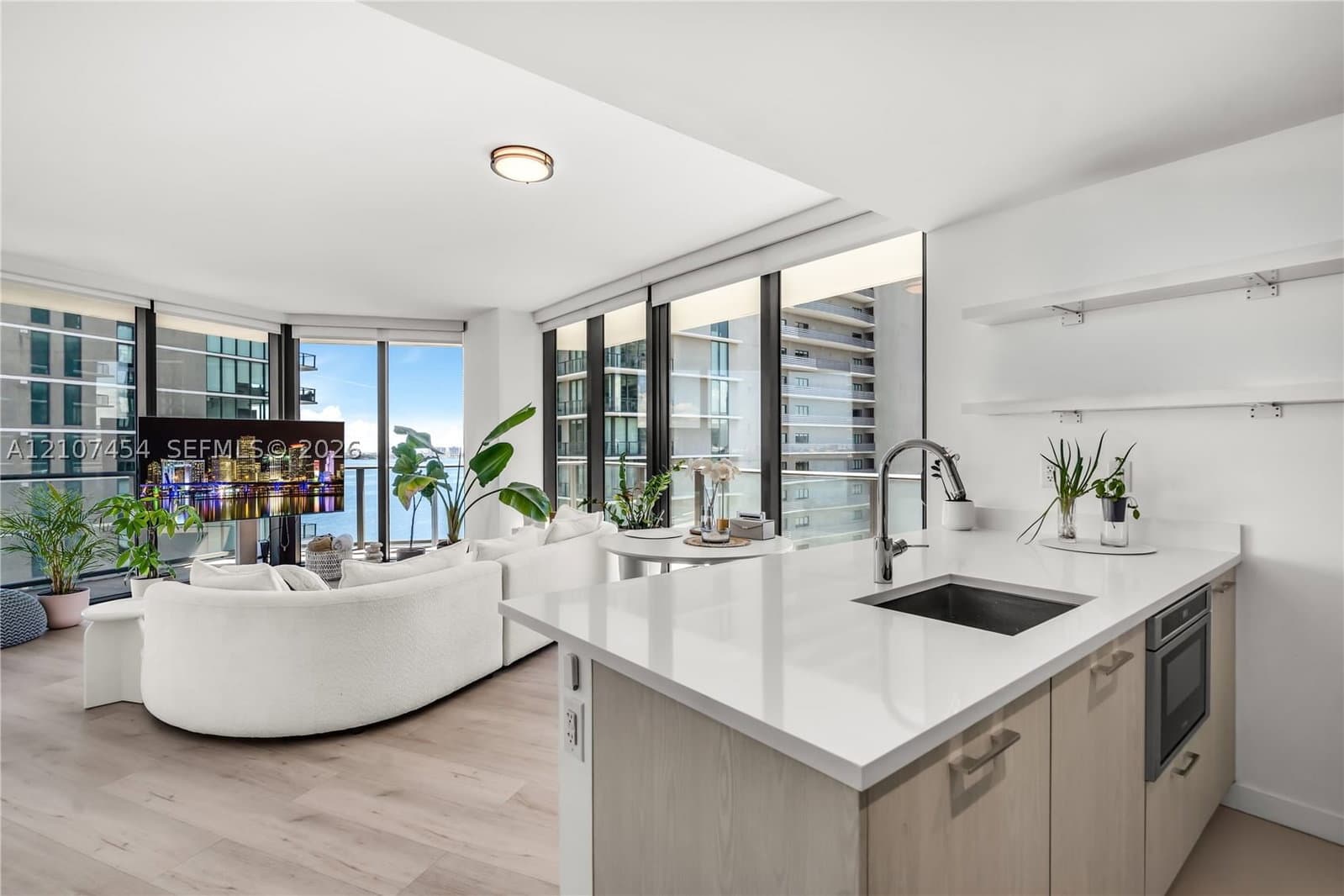
New$749,000 — 501 31st St #1906, Miami, FL 33137 — listing details
3 bd · 2 ba · 1,152 ft²
501 31st St #1906, Miami, FL 33137
Douglas Elliman
 New
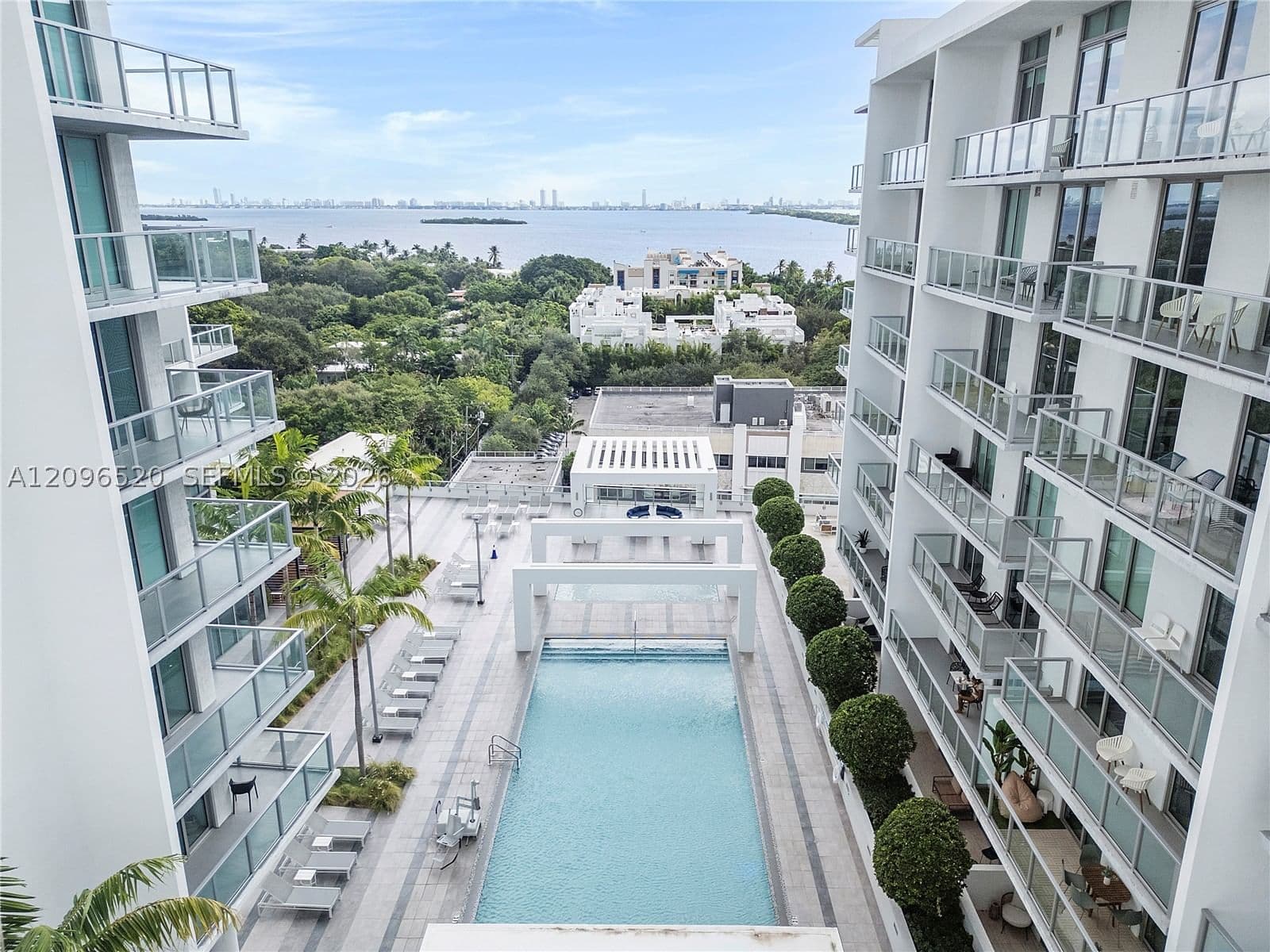
New$735,000 — 3900 Biscayne Blvd #S-702, Miami, FL 33137 — listing details
2 bd · 2 ba · 1,048 ft²
3900 Biscayne Blvd #S-702, Miami, FL 33137
Coldwell Banker Realty
Listing data provided by the Southeast Florida MLS (MIAMI REALTORS®) IDX feed. Copyright Southeast Florida Multiple Listing Service © 2026. Accuracy of listing information is not guaranteed. Listing information is provided for personal consumer, non-commercial use, solely to identify potential properties for potential purchase. All other use is strictly prohibited.
Branded developments in Midtown
All developments- The Standard
The Standard Residences Midtown
Completed · Delivered · 2025
$400K–1.5M - Jean-Georges
Jean-Georges Miami Tropic Residences
Pre-construction · Est. completion · 2028
MiamiLi is an independent broker, not the developer. Project information is based on the developer’s public announcements; delivery dates and prices can be changed by the developer.
Midtown in the news
There is no recent news on this right now.
This section refreshes daily; verified articles published in the last 90 days appear here.
Nearby neighborhoods
Areas that border Midtown or share the same bayfront/boulevard line:
Frequently asked questions about Midtown
- Why is the street layout so legible?
- Because the neighborhood did not grow organically — it developed as a defined infrastructure district: the Midtown Miami CDD covers approximately 57 acres and carries the road, drainage, streetscape and garage investment. Short blocks, wide sidewalks and ground-floor retail are the visible face of that decision, so the order you notice while walking is not an aesthetic added later but a plan it started with.
- Do you need a car?
- Not for daily life — ground-floor retail and short blocks bring most needs within walking distance. Rail does not support the district: the Metromover does not enter Midtown but stays on its southern edge. A car comes into play if your routine leaves the city, and the I-195 / SR 112 interchange sits just north of the district. The decision therefore turns on your out-of-town routes rather than on daily life.
- There are no towers — is that a drawback?
- The building type here is deliberately not a tower: mid-rise buildings with retail at ground level. The trade-off cuts both ways. What you gain is a neighborhood that lives at street level and a human scale; what you give up is expecting a bay or skyline view from a high floor. If a view is your priority, Midtown may not be the right address — if street life is, it is the opposite.
- What are the school options in Midtown?
- School assignment here follows the address, not the district name; the county publishes the attendance layers and revises them each year. Rather than assume one school name, we suggest running the address of the building you are considering through the county’s own lookup.
- What does the price on this page measure?
- Midtown’s median is a measurement rather than an estimate, computed from the set of ZIP codes registered for the area. When reading it, keep one distinction in mind: although the building type inside the district is fairly uniform, neighboring Wynwood and the Design District carry a different price texture, so it matters where the boundary is drawn when you compare the median against surrounding areas.
Let us see Midtown in person.
You come to know an area from its streets, not from a photograph. Let us talk about which block you want to live on, and review the suitable listings — and the opportunities that have not reached a list yet — together.